
What does AP stand for?
Meaning and Goals
Meaning of AP Advanced Placement (AP) Definition: Advanced Placement (AP) is a program created by the College Board in the United States and Canada that offers college-level courses and exams to high ...

Advanced Placement (AP)
Definition: Advanced Placement (AP) is a program created by the College Board in the United States and Canada that offers college-level courses and exams to high school students.
Purpose: The primary goal of the AP program is to provide high school students with the opportunity to take rigorous courses that can prepare them for college-level work. It also allows students to earn college credit or advanced placement in college courses based on their performance on AP exams.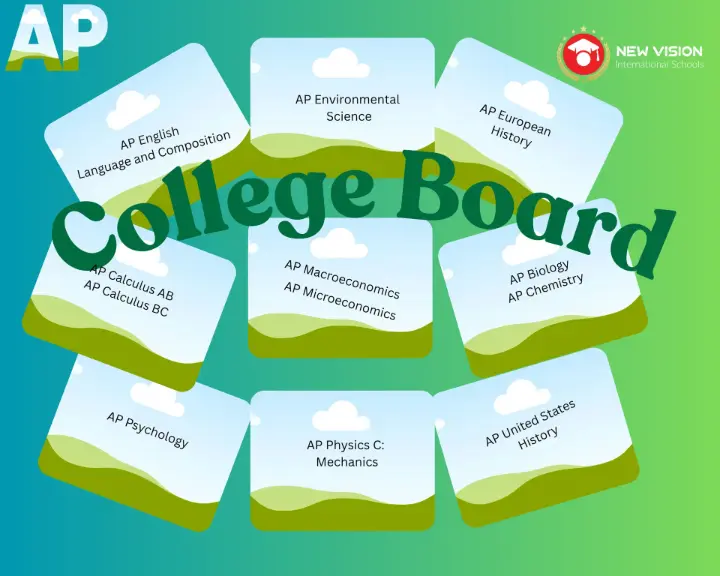
Academic Goals
1. Course Selection:
- Enroll in AP courses that align with your interests and strengths.
- Aim to take a balanced mix of AP subjects (e.g., AP Math, AP Science, AP Humanities).
2. Study Habits:
- Develop a consistent study schedule that allows for regular review of AP material.
- Utilize effective study techniques such as active recall, spaced repetition, and practice exams.
3. Exam Preparation:
- Set a goal to complete a certain number of practice exams before the AP test date.
- Focus on understanding the exam format and types of questions asked.
4. Score Goals:
- Aim for a specific score on the AP exams (e.g., a score of 4 or 5).
- Track your progress throughout the year to ensure you are on track to meet this goal.
Personal Development Goals
1. Time Management:
- Improve your time management skills to balance AP coursework with extracurricular activities.
- Use tools like planners or digital calendars to keep track of assignments and deadlines.
2. Resource Utilization:
- Take advantage of available resources such as AP study guides, online courses, and tutoring.
- Join study groups with peers to enhance understanding and retention of material.
3. Skill Development:
- Focus on developing critical thinking and analytical skills that are essential for AP courses.
- Engage in activities that promote writing and communication skills, especially for AP English courses.
Extracurricular Goals
1. Engagement in Related Activities:
- Participate in clubs or organizations related to your AP subjects (e.g., Science Club, Debate Team).
- Seek leadership roles in these activities to enhance your skills and resume.
2. Community Involvement:
- Volunteer for community service projects that relate to your AP subjects, such as tutoring younger students.
- Attend workshops or seminars that can provide additional insights into your areas of study.
Reflection and Adjustment Goals
1. Regular Self-Assessment:
- Set aside time each month to reflect on your progress toward your AP goals.
- Adjust your study strategies and goals based on what is working and what isn’t.
2. Seek Feedback:
- Regularly seek feedback from teachers and peers on your performance and understanding of the material.
- Use this feedback to make necessary adjustments to your study habits and focus areas.
By setting these goals, you can create a structured plan to help you reach the level of Advanced Placement in your studies.
Related articles

World Cup Final
As the world gears up for the highly anticipated 2026 FIFA World Cup, excitement is reaching a fever pitch. This year, the grand finale promises to be a spectacular clash between two footballing giant...

SCHOOL LMS
LMS stands for "Learning Management System." In the context of a school, an LMS is a software application or platform that is used to deliver, track, and manage educational courses and training progra...

SAT vs IG
Hello The SAT (Satisfiability) and IG (Independence Graph) concepts are often discussed in the context of logic, computer science, and optimization. Here’s a brief overview of each: SAT (Satisfiab...
Considering New Vision International School?
Discover an international education designed to help every student thrive.
Start your application